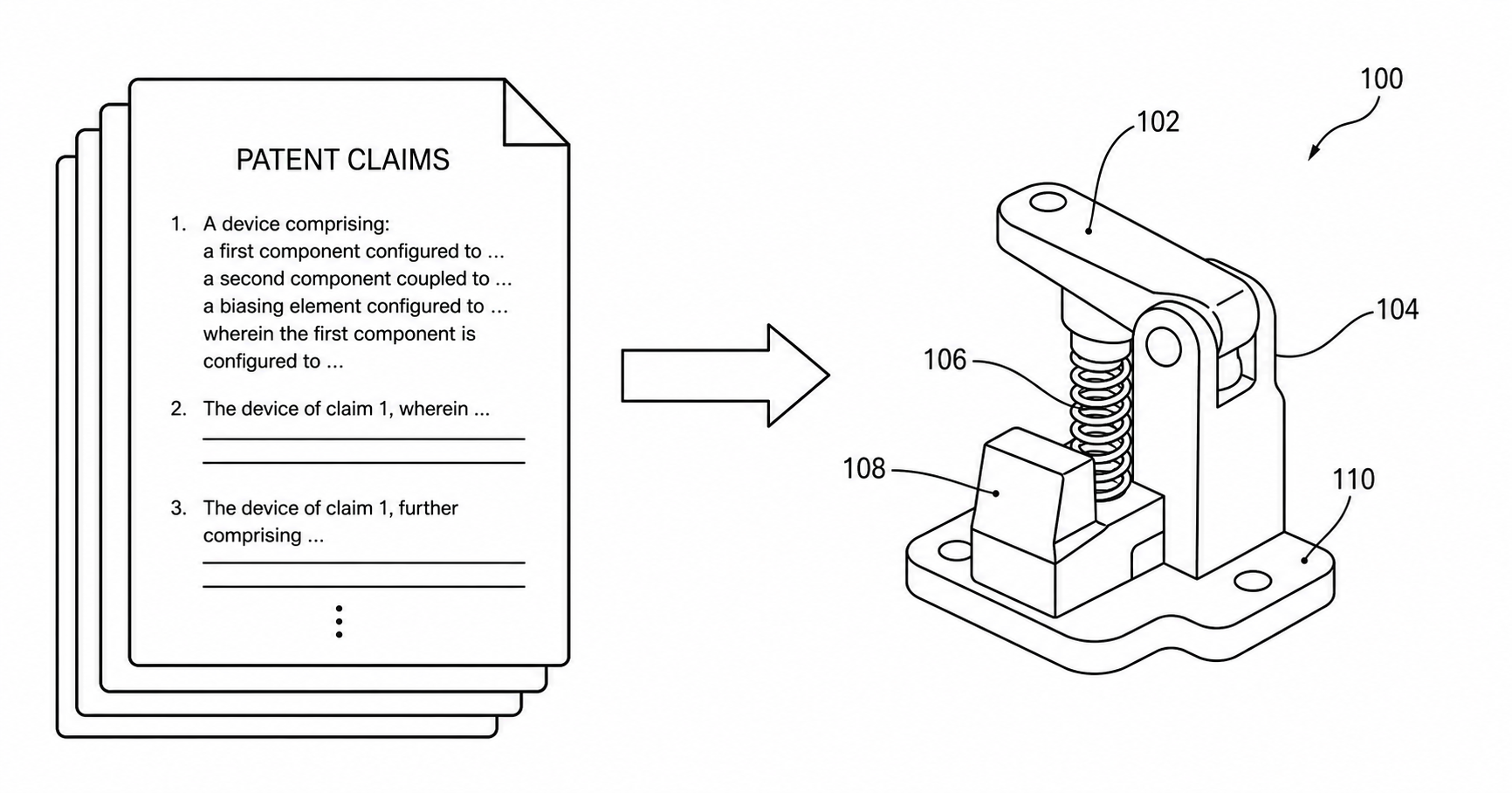
AI Patent Drafting Tools in 2026: 10 Named Tools, Pricing, and Where Figures Fit
A named-tools guide to the 2026 AI patent landscape — Solve Intelligence, DeepIP, Patlytics, Rowan Patents, PatentPal, IPRally, PQAI and more — with published pricing and an honest look at which ones actually produce patent figures.
TL;DR: "AI patent tools" splits into four product categories — search (PQAI, IPRally), drafting (Solve Intelligence at ~$775/user/month, DeepIP at ~$350–$420, PatentPal from $49/month), analytics (Patlytics), and figures. Almost none of the drafting tools produce real patent drawings: mechanical line art with views, sections, and disciplined numerals still requires a dedicated figure tool.
"AI patent tool" is now an umbrella over at least four very different product categories, and buying the wrong category for your bottleneck is the most common (and expensive) mistake. This guide names the actual tools in each category as of mid-2026, with published or reported pricing where it exists — and looks honestly at the one layer most of them still leave out: the drawings.
The Landscape at a Glance
| Tool | Category | Figure capability | Pricing signal |
|---|---|---|---|
| Solve Intelligence | Drafting + prosecution | Figure generation added to platform | ~$775/user/mo (reported estimate) |
| DeepIP | Drafting + lifecycle (Word add-in) | No native mechanical figures | ~$350–$420/user/mo (reported) |
| Patlytics | Drafting through prosecution & invalidity | Text-first | Enterprise, on request |
| Rowan Patents (Clarivate) | Drafting environment | Figures synced with spec, auto-renumbering | Enterprise, on request |
| PatentPal | Draft generation | Auto flowcharts/diagrams → Visio/PPT | $49–$99/mo, $199/patent |
| Specifio | First-draft automation | Basic method/system schematics | On request |
| IPRally | Prior-art search (graph AI) | — | Enterprise |
| PQAI | Prior-art search | — | Free, open source |
| Patsnap | Analytics & landscape | — | Enterprise |
| PatentFig AI | Figure generation | Core product: compliant line art, all views | From $50/mo |
Pricing notes are from vendor pages and third-party comparisons (Patentext's 2026 pricing roundup, Startup Stash); enterprise tools rarely publish rates, so treat reported numbers as signals, not quotes.
Drafting and Prosecution Platforms
Solve Intelligence is a browser-based platform covering drafting, prosecution support, and — notably for this post — figure generation and claim charting added through late 2025. It is one of the few drafting platforms treating figures as in-scope. Third-party estimates put it around $775/user/month, at the premium end (Patentext comparison).
DeepIP takes the opposite architectural bet: a Microsoft Word add-in that upgrades the workflow attorneys already have, spanning invention capture, drafting, prosecution, and portfolio work. Reported pricing is roughly $350–$420/user/month. Its strength is fitting into firm document practices; mechanical figure generation is not the product.
Patlytics covers the drafting-to-prosecution lifecycle — claim construction, specification drafting, amendments, office action responses, invalidity analysis — aimed at firms and in-house teams running volume. Text and analysis first; drawings are out of scope.
Rowan Patents (acquired by Clarivate) is a purpose-built drafting environment whose differentiator is consistency: claims, specification, and figures live in one model, and renumbering a part or reordering figures updates every dependency automatically. Its figure tooling is real but drafting-centric — assembling labeled diagrams, not generating line art from a photo.
PatentPal and Specifio automate first drafts from claims. PatentPal generates specification text plus auto-drawn flowcharts and block diagrams exportable to Visio or PowerPoint, from $49/month — the cheapest legitimate entry into AI drafting. Specifio produces 20–30 page first drafts with basic schematics, sold to firms automating routine software-patent volume.
Search and Analytics (the Other Two Buckets)
For novelty before you draft: IPRally searches by invention concept using graph AI and explains why a reference surfaced; PQAI is free and open source — plain-English idea in, relevant prior art out — the right starting point for independent inventors; Ambercite finds related patents through citation networks that keyword search misses. For portfolio strategy, Patsnap is the enterprise landscape-and-analytics layer. None of these touch drawings, but a cheap novelty pass before drafting is the highest-ROI step in the whole stack.
The Figure Gap, Specifically
Here is the honest version of "where figures fit." Some drafting tools do produce figures — but almost exclusively claim-derived diagrams: flowcharts of method claims, block diagrams of system claims. That covers software patents reasonably well. What it does not cover is everything the examiner expects for a physical invention:
- Mechanical line art from a photo, sketch, or 3D model — uniform line weights, correct hatching on sections
- Multi-view sets — front, rear, side, top, bottom, perspective, exploded — that agree with each other
- Reference-numeral discipline across all views (37 CFR §1.84(p) violations are among the most common drawing objections)
- Office-specific compliance beyond the USPTO — EPO, CNIPA, JPO, KIPO, PCT each have their own drawing rules
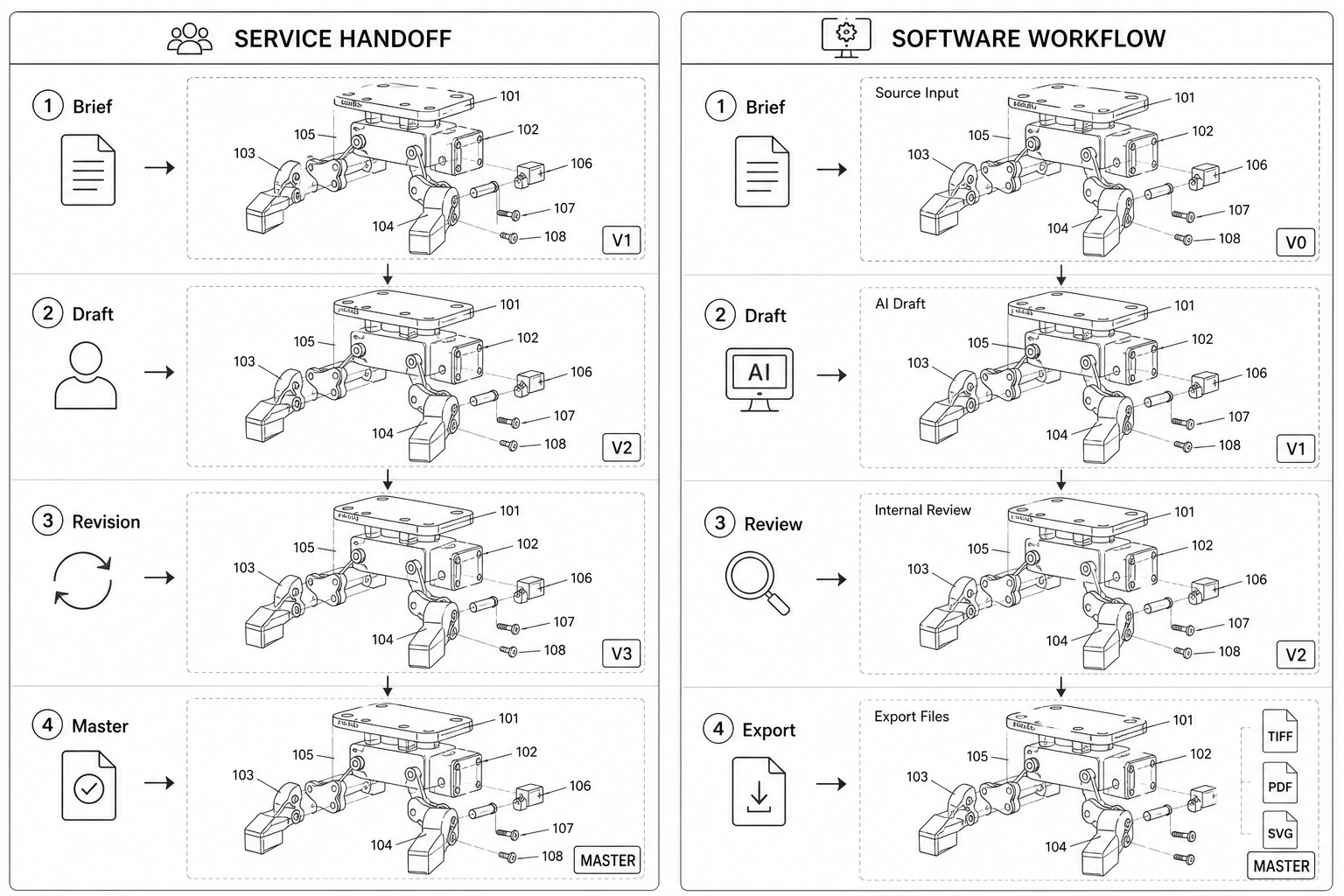
This is what generated mechanical output needs to look like — an exploded view with separated parts, alignment lines, and numerals (more of these, by category, in the patent drawing examples gallery):
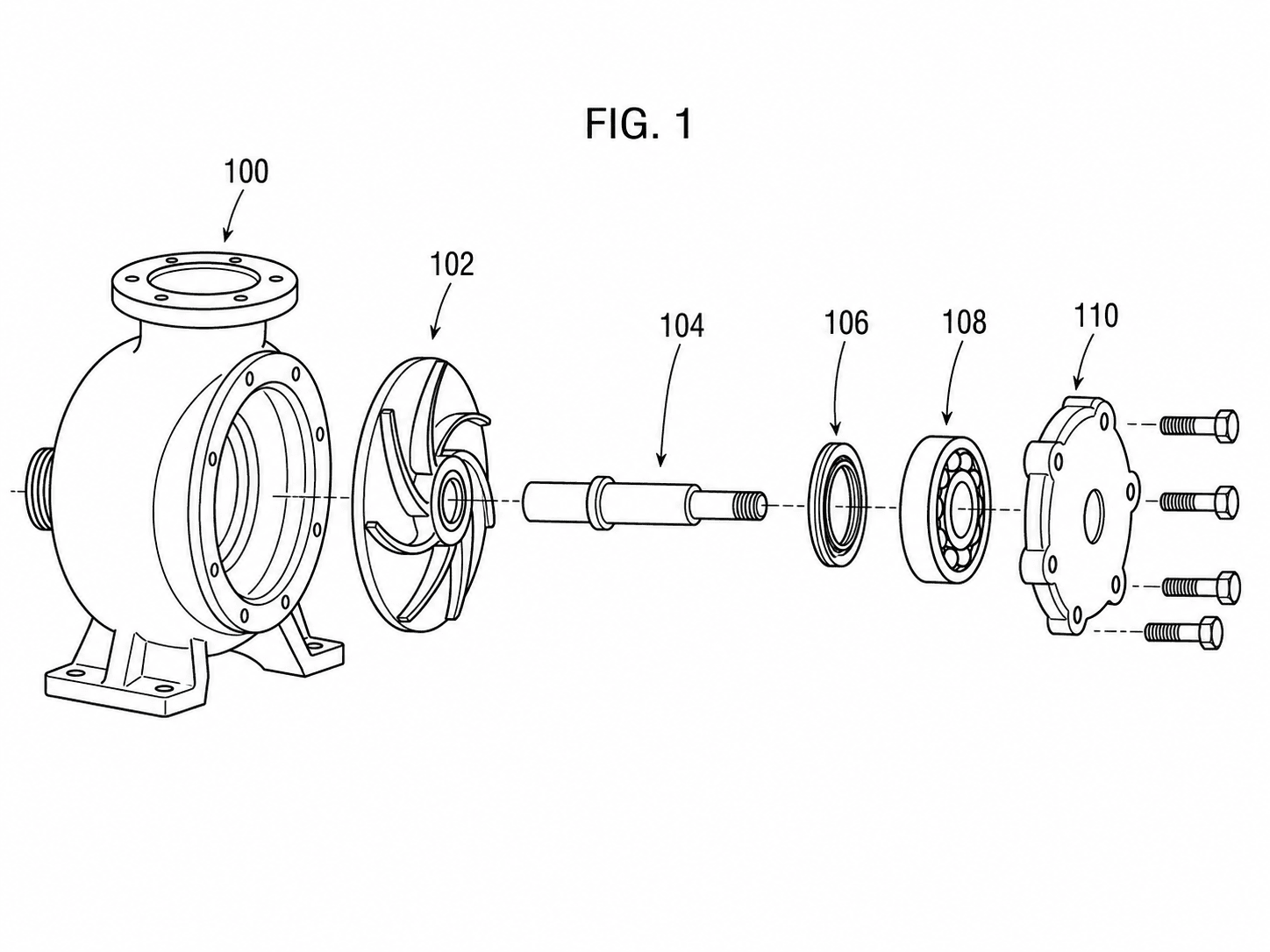
That category of output is the entire product at PatentFig AI: description, sketch, or photo in; compliant multi-view line art out; validated with a figure checker against six offices; exported as vector or high-DPI raster. It slots after any drafting tool above because its input is just your description — no integration or lock-in required.
What None of These Tools Do
Worth saying plainly, because vendor pages won't:
- Claim strategy is human work. AI drafts what you scope; deciding what to claim — and what to deliberately not claim — is judgment.
- §112 support is judgment. Tools generate plausible support language; whether the specification truly enables the full claim breadth is an attorney call, and the place AI drafts fail most quietly.
- Prosecution is negotiation. Examiner interviews, amendment strategy, continuation decisions — assisted by analytics, performed by people.
- Liability doesn't transfer. Every vendor's terms say the same thing: a qualified practitioner must review before filing.
How to Choose, by Bottleneck
- Bottleneck is writing volume → DeepIP (Word-native) or Solve Intelligence (platform); Patlytics if prosecution load dominates.
- Bottleneck is budget → PQAI (free search) + PatentPal ($49/mo drafts) + PatentFig AI (from $50/mo figures): a complete search-text-drawings pipeline under $150/month.
- Bottleneck is the drawings — slow illustrator turnaround, numbering objections, multi-office filings → a figure-first tool is the fix; see the best AI patent drafting tools comparison and the tools directory.
- Drafting internal consistency (renumbering pain, claim-spec drift) → Rowan Patents was built for exactly that.
The Bottom Line
In 2026 the AI patent stack has matured into named, priced products in four categories — but "drafting" still rarely means "drawings." Drafting platforms produce text and, at best, claim-derived diagrams; mechanical figures with views, sections, and disciplined numerals remain a separate job for a dedicated tool. Pick per category, pipe them together (they're all loosely coupled through documents anyway), and keep an attorney's review between any AI output and the filing.
Sources: Patentext pricing roundup · Patlytics 2026 guide · DeepIP vs Solve Intelligence (Lexology) · Startup Stash automated drafting tools · Rowan Patents at Clarivate · PQAI · 37 CFR §1.84
Next step: Compare the numbers on the patent drawing services page, or check pricing to see what the software side costs.
More Posts
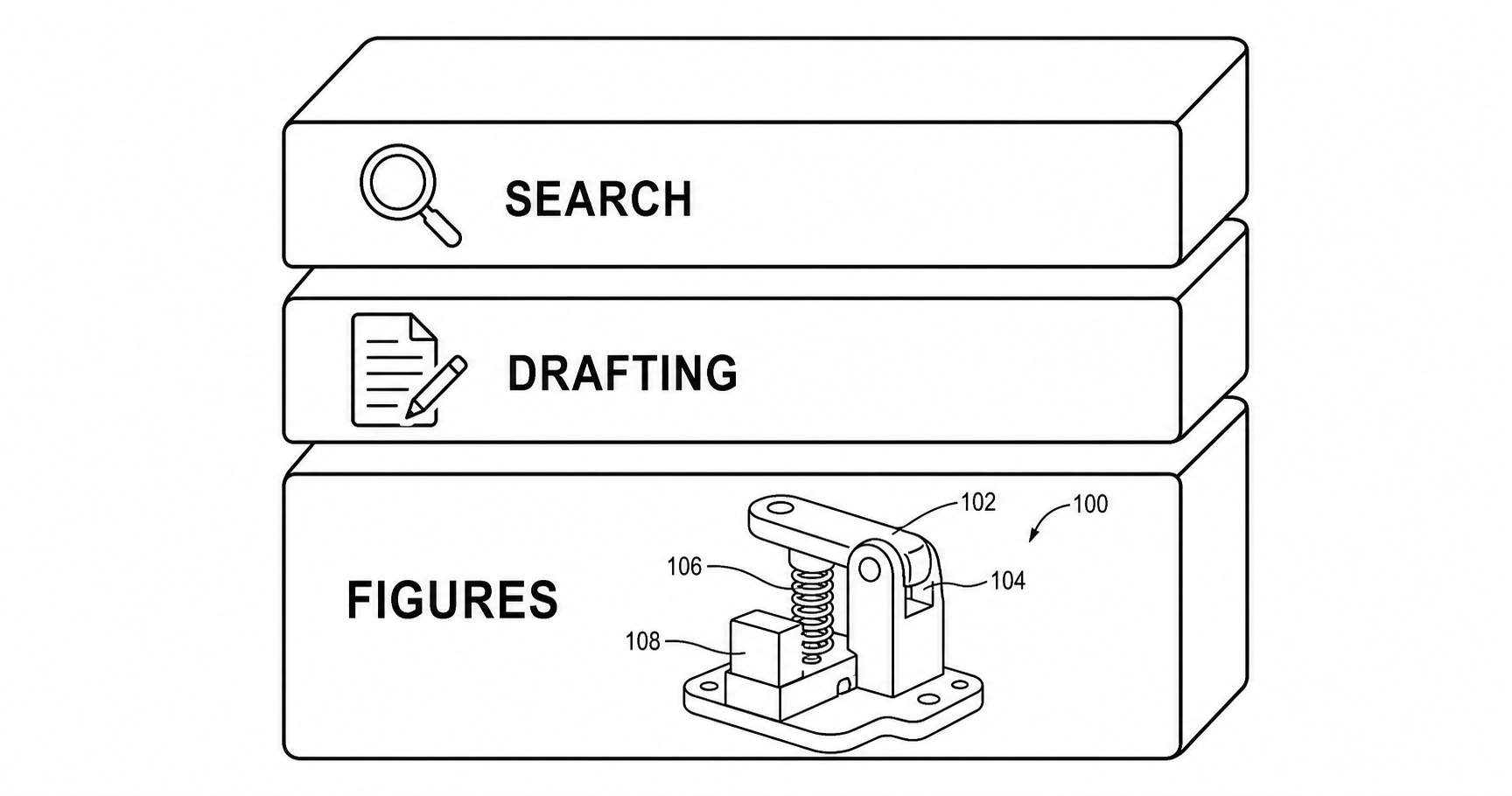
Building a Patent Software Stack in 2026: Three Recipes, Real Costs
Three concrete patent software stacks — solo inventor, small firm, in-house IP team — with named tools, realistic monthly costs, the data-flow details that make them work, and a two-week pilot plan.

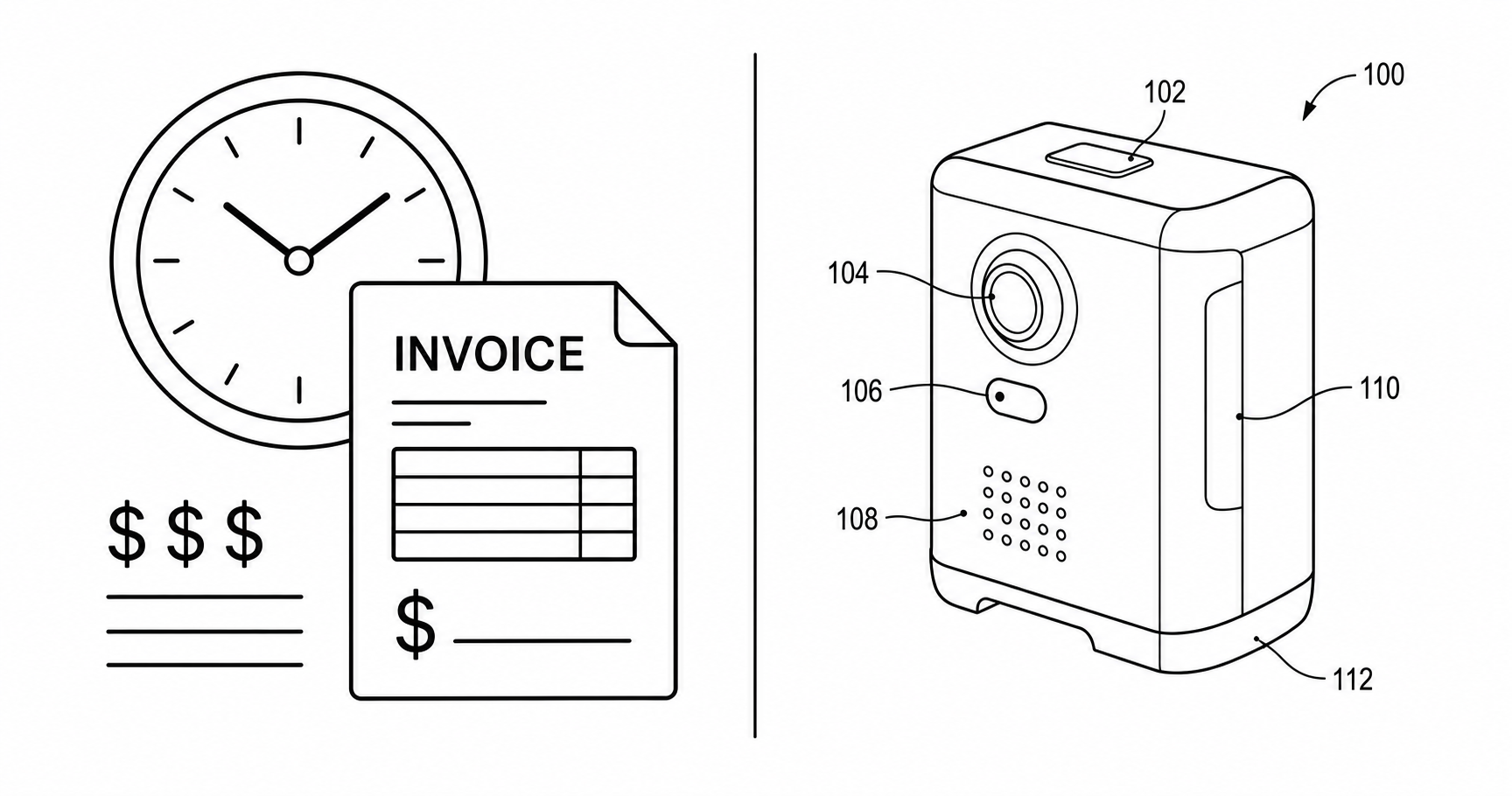
Patent Illustration Cost in 2026: Real Rates, Hiring vs. Software
What patent illustration actually costs in 2026 — per-figure rates from $25 to $300, revision and rush fees, three worked cost scenarios, and the break-even point where software beats outsourcing.
Patent Illustrator vs AI Software: Cost, Quality, and When to Use Each
Compare AI patent illustration software with traditional patent illustrator services on cost per figure, turnaround time, quality, and when each option fits.
Newsletter
Join the community
Subscribe to our newsletter for the latest news and updates